 New Exotic Buick Envision For 2011
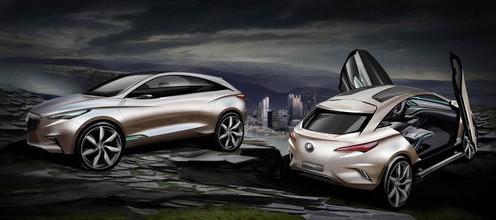 Impressive Buick Envision
 Buick Envision Interior View
 Buick Envision Seats Concept
 Buick Envision Concept
 Buick Envision Hatchback


 New Exotic Buick Envision For 2011Impressive Buick EnvisionBuick Envision Interior ViewBuick Envision Seats ConceptBuick Envision ConceptBuick Envision Hatchback
 The Buick LeSabre is a full-size car made by the Buick division of General Motors from 1959-2005. For many years, the LeSabre was considered the entry level full-size Buick, carrying the lowest base price in the Buick lineup. Prior to 1959, that position had been held by the full-size Buick Special model; in 1959 the LeSabre replaced the Special, a nameplate that was reintroduced in 1961 for Buick's line of compact cars. The name originated with the 1951 Buick Le Sabre show car designed by Harley Earl.LeSabre and all other 1959 Buicks not only got new names, but all-new styling as well, adopting the new GM B- and C-body used on all of the corporation's full-sized cars (the larger C-body used in the Electra as well as the Oldsmobile 98 and all Cadillacs was basically a stretched out B-body rather than a distinct body and chassis for 1959�60). Wheelbases increased by one inch on all models. The new styling included slanted headlights in front along with a chromey square grille somewhat similar to the 1958 Buick and "Delta-wing" fins back along with round taillights.The 1960 LeSabre received a minor facelift with a concave grille and horizontal headlights centered by Buick's then-new "Tri-Shield" logo, which is still in use today. Reintroduced to Electras and other Buicks for 1960 were the chrome "Ventiport" portholes first introduced in 1949 and last seen in 1957. LeSabre and Invicta models had three portholes while Electras and Electra 225s were "four-holers".LeSabre and all other full-sized Buicks (joined by the compact Special this year) were completely restyled for 1961 featuring finless rear ends, more restrained use of chrome and boxier sheetmetal. Wheelbases remained at 123 inches (3,100 mm) but the new cars were slightly downsized in length and width, and rode on a new X-frame chassis which included a conventional rear axle and driveshaft replacing the decades-old torque tube design.The 1962 Buick LeSabre was only moderately changed from the previous year with bodies taking on a few extra inches to give them a longer look along with new grilles and taillights. Two-door hardtop coupes received a new convertible-like roofline complete with simulated bows.The 1963 LeSabre received a major facelift with even boxier body contours than 1961-62 models and revised rooflines on four-door hardtop sedans.Minor facelifting with new grille and horizontal taillights replacing the 1963's vertical units highlighted the 1964 LeSabre.
 LeSabre and other full-sized Buicks were completely restyled for the 1965 model year, featuring more rounded bodylines and Coke-bottle profiles with semi-fastback rooflines on two-door hardtop coupes. Wheelbases remained at 123 inches (3,100 mm), but a new perimeter frame shared with other GM B-body cars replaced the "X" frame used since 1961. Body styles were unchanged from 1964 except for the station wagon, which was dropped in favor of the stretched intermediate Special-based Buick Sport Wagon which featured a raised rear roof and glass skylight over the back seat similar to the Oldsmobile Vista Cruiser. .New grilles and four-segmented taillights highlighted the face-lifted 1966 LeSabre models. Also new was a revised instrument panel with a horizontal sweep speedometer replacing the round pod instruments and new interior door handles. Both base and Custom level series were continued. New standard safety features included a padded instrument panel, outside driver-side rear view mirror and backup lights.Somewhat more rounded sheet metal and a swoopier fastback roofline for the two-door hardtop highlighted the 1967 LeSabre but chassis and inner body were unchanged along with drivetrains. Both base and Custom-level LeSabres were continued.The 1968 LeSabre received a minor facelift including new grilles and taillights along with concealed windshield wipers. Inside was a revised instrument panel with square speedometer surrounded by other instruments with minor trim revisions for both base and Custom models.The 1969 LeSabre received new sheetmetal with more squared off styling than the 1965-68 models including a formal roofline on coupes replacing the semi-fastback of previous years. Though the 1969 model was extensively restyled with new sheetmetal, the basic 1965 chassis and inner body structure were retained, along with the roofline of the four-door pillared sedans though vent windows were dropped on all models. Wheelbase remained at 123 inches (3,100 mm). Interiors were mildly revised with minor changes to the instrument panel including the movement of the heating/air conditioning controls to the left of the steering wheel, which was new this year. Headrests, previously optional, were now standard equipment due to a federal safety mandate. The 1969 LeSabre and other Buicks also received a new steering column mounted ignition switch (relocated from the instrument panel) that also locked the steering wheel when the transmission was in Park. The ignition/locking steering column appeared on all 1969 General Motors cars one year ahead of the federal mandate requiring all cars to be so equipped.Like the other GM divisions, Buick completely restyled its B- and C-body cars for 1971. The full-size cars emerged larger and heavier than before and also ever after. The styling featured curved bodysides, long hoods and wide expanses of glass, similar to that of Chrysler Corporation's 1969 full-sized cars, but with a lower beltline than the Chrysler products. Semi-fastback rooflines were utilized on two-door hardtop coupes and convertibles had a new top design to permit a full-width rear seat.
 The 1977 Buick LeSabre and other GM B-body full-sized cars were considerably smaller and lighter than their predecessors to the tune of losing 700-800 pounds of weight and overall length of 10 to 15 inches (380 mm). The full-sized cars were the beginning of a "corporate-wide" downsizing of vehicles in order to improve fuel economy ratings following the 1973-74 energy crisis that would filter down to intermediates in 1978, personal-luxury cars in 1979 and compacts in 1980 with subsequent downsizings of each line of vehicles scheduled in subsequent years.The 1986 LeSabre was introduced on the new front wheel drive H platform, after departing from rear wheel drive on the GM B platform. Joining the LeSabre on the H-body included the Oldsmobile Delta 88 and the 1987 Pontiac Bonneville, which returned to full-size after a short-lived run as a mid-size on the G platform. One of the most striking features of the LeSabre version of the H body was the "clamshell" hood that opened up in the same fashion as that of a Corvette.For the 1992 model year, the LeSabre was redesigned along the same lines as the previous year's Park Avenue. The LeSabre was available only as a four-door sedan from this point forward until the car was discontinued in 2005. The headlights were streamlined with a separated amber turn signal strip wrapping around the lower front fascia. The rear fascia featured a wider trunk mouth and lower lift over height to ease loading baggage while the front was smoothed with simplified chrome molding and absent bumperettes. The LeSabre also featured GM's plastic body technologies, with high-stress plastic replacing traditional steel in the front fenders.The 2000 LeSabre was introduced in 1999 as the Buick LeSabre 2000, using a re-engineered H platform based on the G platform previously used for the Buick Riviera. Following the end of the 2000 model year, the automobile reverted to the Buick LeSabre nameplate.
The Buick LeSabre is a full-size car made by the Buick division of General Motors from 1959-2005. For many years, the LeSabre was considered the entry level full-size Buick, carrying the lowest base price in the Buick lineup. Prior to 1959, that position had been held by the full-size Buick Special model; in 1959 the LeSabre replaced the Special, a nameplate that was reintroduced in 1961 for Buick's line of compact cars. The name originated with the 1951 Buick Le Sabre show car designed by Harley Earl.LeSabre and all other 1959 Buicks not only got new names, but all-new styling as well, adopting the new GM B- and C-body used on all of the corporation's full-sized cars (the larger C-body used in the Electra as well as the Oldsmobile 98 and all Cadillacs was basically a stretched out B-body rather than a distinct body and chassis for 1959�60). Wheelbases increased by one inch on all models. The new styling included slanted headlights in front along with a chromey square grille somewhat similar to the 1958 Buick and "Delta-wing" fins back along with round taillights.The 1960 LeSabre received a minor facelift with a concave grille and horizontal headlights centered by Buick's then-new "Tri-Shield" logo, which is still in use today. Reintroduced to Electras and other Buicks for 1960 were the chrome "Ventiport" portholes first introduced in 1949 and last seen in 1957. LeSabre and Invicta models had three portholes while Electras and Electra 225s were "four-holers".LeSabre and all other full-sized Buicks (joined by the compact Special this year) were completely restyled for 1961 featuring finless rear ends, more restrained use of chrome and boxier sheetmetal. Wheelbases remained at 123 inches (3,100 mm) but the new cars were slightly downsized in length and width, and rode on a new X-frame chassis which included a conventional rear axle and driveshaft replacing the decades-old torque tube design.The 1962 Buick LeSabre was only moderately changed from the previous year with bodies taking on a few extra inches to give them a longer look along with new grilles and taillights. Two-door hardtop coupes received a new convertible-like roofline complete with simulated bows.The 1963 LeSabre received a major facelift with even boxier body contours than 1961-62 models and revised rooflines on four-door hardtop sedans.Minor facelifting with new grille and horizontal taillights replacing the 1963's vertical units highlighted the 1964 LeSabre.LeSabre and other full-sized Buicks were completely restyled for the 1965 model year, featuring more rounded bodylines and Coke-bottle profiles with semi-fastback rooflines on two-door hardtop coupes. Wheelbases remained at 123 inches (3,100 mm), but a new perimeter frame shared with other GM B-body cars replaced the "X" frame used since 1961. Body styles were unchanged from 1964 except for the station wagon, which was dropped in favor of the stretched intermediate Special-based Buick Sport Wagon which featured a raised rear roof and glass skylight over the back seat similar to the Oldsmobile Vista Cruiser. .New grilles and four-segmented taillights highlighted the face-lifted 1966 LeSabre models. Also new was a revised instrument panel with a horizontal sweep speedometer replacing the round pod instruments and new interior door handles. Both base and Custom level series were continued. New standard safety features included a padded instrument panel, outside driver-side rear view mirror and backup lights.Somewhat more rounded sheet metal and a swoopier fastback roofline for the two-door hardtop highlighted the 1967 LeSabre but chassis and inner body were unchanged along with drivetrains. Both base and Custom-level LeSabres were continued.The 1968 LeSabre received a minor facelift including new grilles and taillights along with concealed windshield wipers. Inside was a revised instrument panel with square speedometer surrounded by other instruments with minor trim revisions for both base and Custom models.The 1969 LeSabre received new sheetmetal with more squared off styling than the 1965-68 models including a formal roofline on coupes replacing the semi-fastback of previous years. Though the 1969 model was extensively restyled with new sheetmetal, the basic 1965 chassis and inner body structure were retained, along with the roofline of the four-door pillared sedans though vent windows were dropped on all models. Wheelbase remained at 123 inches (3,100 mm). Interiors were mildly revised with minor changes to the instrument panel including the movement of the heating/air conditioning controls to the left of the steering wheel, which was new this year. Headrests, previously optional, were now standard equipment due to a federal safety mandate. The 1969 LeSabre and other Buicks also received a new steering column mounted ignition switch (relocated from the instrument panel) that also locked the steering wheel when the transmission was in Park. The ignition/locking steering column appeared on all 1969 General Motors cars one year ahead of the federal mandate requiring all cars to be so equipped.Like the other GM divisions, Buick completely restyled its B- and C-body cars for 1971. The full-size cars emerged larger and heavier than before and also ever after. The styling featured curved bodysides, long hoods and wide expanses of glass, similar to that of Chrysler Corporation's 1969 full-sized cars, but with a lower beltline than the Chrysler products. Semi-fastback rooflines were utilized on two-door hardtop coupes and convertibles had a new top design to permit a full-width rear seat.The 1977 Buick LeSabre and other GM B-body full-sized cars were considerably smaller and lighter than their predecessors to the tune of losing 700-800 pounds of weight and overall length of 10 to 15 inches (380 mm). The full-sized cars were the beginning of a "corporate-wide" downsizing of vehicles in order to improve fuel economy ratings following the 1973-74 energy crisis that would filter down to intermediates in 1978, personal-luxury cars in 1979 and compacts in 1980 with subsequent downsizings of each line of vehicles scheduled in subsequent years.The 1986 LeSabre was introduced on the new front wheel drive H platform, after departing from rear wheel drive on the GM B platform. Joining the LeSabre on the H-body included the Oldsmobile Delta 88 and the 1987 Pontiac Bonneville, which returned to full-size after a short-lived run as a mid-size on the G platform. One of the most striking features of the LeSabre version of the H body was the "clamshell" hood that opened up in the same fashion as that of a Corvette.For the 1992 model year, the LeSabre was redesigned along the same lines as the previous year's Park Avenue. The LeSabre was available only as a four-door sedan from this point forward until the car was discontinued in 2005. The headlights were streamlined with a separated amber turn signal strip wrapping around the lower front fascia. The rear fascia featured a wider trunk mouth and lower lift over height to ease loading baggage while the front was smoothed with simplified chrome molding and absent bumperettes. The LeSabre also featured GM's plastic body technologies, with high-stress plastic replacing traditional steel in the front fenders.The 2000 LeSabre was introduced in 1999 as the Buick LeSabre 2000, using a re-engineered H platform based on the G platform previously used for the Buick Riviera. Following the end of the 2000 model year, the automobile reverted to the Buick LeSabre nameplate.
The 1977 Buick LeSabre and other GM B-body full-sized cars were considerably smaller and lighter than their predecessors to the tune of losing 700-800 pounds of weight and overall length of 10 to 15 inches (380 mm). The full-sized cars were the beginning of a "corporate-wide" downsizing of vehicles in order to improve fuel economy ratings following the 1973-74 energy crisis that would filter down to intermediates in 1978, personal-luxury cars in 1979 and compacts in 1980 with subsequent downsizings of each line of vehicles scheduled in subsequent years.The 1986 LeSabre was introduced on the new front wheel drive H platform, after departing from rear wheel drive on the GM B platform. Joining the LeSabre on the H-body included the Oldsmobile Delta 88 and the 1987 Pontiac Bonneville, which returned to full-size after a short-lived run as a mid-size on the G platform. One of the most striking features of the LeSabre version of the H body was the "clamshell" hood that opened up in the same fashion as that of a Corvette.For the 1992 model year, the LeSabre was redesigned along the same lines as the previous year's Park Avenue. The LeSabre was available only as a four-door sedan from this point forward until the car was discontinued in 2005. The headlights were streamlined with a separated amber turn signal strip wrapping around the lower front fascia. The rear fascia featured a wider trunk mouth and lower lift over height to ease loading baggage while the front was smoothed with simplified chrome molding and absent bumperettes. The LeSabre also featured GM's plastic body technologies, with high-stress plastic replacing traditional steel in the front fenders.The 2000 LeSabre was introduced in 1999 as the Buick LeSabre 2000, using a re-engineered H platform based on the G platform previously used for the Buick Riviera. Following the end of the 2000 model year, the automobile reverted to the Buick LeSabre nameplate.
The Buick LeSabre is a full-size car made by the Buick division of General Motors from 1959-2005. For many years, the LeSabre was considered the entry level full-size Buick, carrying the lowest base price in the Buick lineup. Prior to 1959, that position had been held by the full-size Buick Special model; in 1959 the LeSabre replaced the Special, a nameplate that was reintroduced in 1961 for Buick's line of compact cars. The name originated with the 1951 Buick Le Sabre show car designed by Harley Earl.LeSabre and all other 1959 Buicks not only got new names, but all-new styling as well, adopting the new GM B- and C-body used on all of the corporation's full-sized cars (the larger C-body used in the Electra as well as the Oldsmobile 98 and all Cadillacs was basically a stretched out B-body rather than a distinct body and chassis for 1959�60). Wheelbases increased by one inch on all models. The new styling included slanted headlights in front along with a chromey square grille somewhat similar to the 1958 Buick and "Delta-wing" fins back along with round taillights.The 1960 LeSabre received a minor facelift with a concave grille and horizontal headlights centered by Buick's then-new "Tri-Shield" logo, which is still in use today. Reintroduced to Electras and other Buicks for 1960 were the chrome "Ventiport" portholes first introduced in 1949 and last seen in 1957. LeSabre and Invicta models had three portholes while Electras and Electra 225s were "four-holers".LeSabre and all other full-sized Buicks (joined by the compact Special this year) were completely restyled for 1961 featuring finless rear ends, more restrained use of chrome and boxier sheetmetal. Wheelbases remained at 123 inches (3,100 mm) but the new cars were slightly downsized in length and width, and rode on a new X-frame chassis which included a conventional rear axle and driveshaft replacing the decades-old torque tube design.The 1962 Buick LeSabre was only moderately changed from the previous year with bodies taking on a few extra inches to give them a longer look along with new grilles and taillights. Two-door hardtop coupes received a new convertible-like roofline complete with simulated bows.The 1963 LeSabre received a major facelift with even boxier body contours than 1961-62 models and revised rooflines on four-door hardtop sedans.Minor facelifting with new grille and horizontal taillights replacing the 1963's vertical units highlighted the 1964 LeSabre.LeSabre and other full-sized Buicks were completely restyled for the 1965 model year, featuring more rounded bodylines and Coke-bottle profiles with semi-fastback rooflines on two-door hardtop coupes. Wheelbases remained at 123 inches (3,100 mm), but a new perimeter frame shared with other GM B-body cars replaced the "X" frame used since 1961. Body styles were unchanged from 1964 except for the station wagon, which was dropped in favor of the stretched intermediate Special-based Buick Sport Wagon which featured a raised rear roof and glass skylight over the back seat similar to the Oldsmobile Vista Cruiser. .New grilles and four-segmented taillights highlighted the face-lifted 1966 LeSabre models. Also new was a revised instrument panel with a horizontal sweep speedometer replacing the round pod instruments and new interior door handles. Both base and Custom level series were continued. New standard safety features included a padded instrument panel, outside driver-side rear view mirror and backup lights.Somewhat more rounded sheet metal and a swoopier fastback roofline for the two-door hardtop highlighted the 1967 LeSabre but chassis and inner body were unchanged along with drivetrains. Both base and Custom-level LeSabres were continued.The 1968 LeSabre received a minor facelift including new grilles and taillights along with concealed windshield wipers. Inside was a revised instrument panel with square speedometer surrounded by other instruments with minor trim revisions for both base and Custom models.The 1969 LeSabre received new sheetmetal with more squared off styling than the 1965-68 models including a formal roofline on coupes replacing the semi-fastback of previous years. Though the 1969 model was extensively restyled with new sheetmetal, the basic 1965 chassis and inner body structure were retained, along with the roofline of the four-door pillared sedans though vent windows were dropped on all models. Wheelbase remained at 123 inches (3,100 mm). Interiors were mildly revised with minor changes to the instrument panel including the movement of the heating/air conditioning controls to the left of the steering wheel, which was new this year. Headrests, previously optional, were now standard equipment due to a federal safety mandate. The 1969 LeSabre and other Buicks also received a new steering column mounted ignition switch (relocated from the instrument panel) that also locked the steering wheel when the transmission was in Park. The ignition/locking steering column appeared on all 1969 General Motors cars one year ahead of the federal mandate requiring all cars to be so equipped.Like the other GM divisions, Buick completely restyled its B- and C-body cars for 1971. The full-size cars emerged larger and heavier than before and also ever after. The styling featured curved bodysides, long hoods and wide expanses of glass, similar to that of Chrysler Corporation's 1969 full-sized cars, but with a lower beltline than the Chrysler products. Semi-fastback rooflines were utilized on two-door hardtop coupes and convertibles had a new top design to permit a full-width rear seat.The 1977 Buick LeSabre and other GM B-body full-sized cars were considerably smaller and lighter than their predecessors to the tune of losing 700-800 pounds of weight and overall length of 10 to 15 inches (380 mm). The full-sized cars were the beginning of a "corporate-wide" downsizing of vehicles in order to improve fuel economy ratings following the 1973-74 energy crisis that would filter down to intermediates in 1978, personal-luxury cars in 1979 and compacts in 1980 with subsequent downsizings of each line of vehicles scheduled in subsequent years.The 1986 LeSabre was introduced on the new front wheel drive H platform, after departing from rear wheel drive on the GM B platform. Joining the LeSabre on the H-body included the Oldsmobile Delta 88 and the 1987 Pontiac Bonneville, which returned to full-size after a short-lived run as a mid-size on the G platform. One of the most striking features of the LeSabre version of the H body was the "clamshell" hood that opened up in the same fashion as that of a Corvette.For the 1992 model year, the LeSabre was redesigned along the same lines as the previous year's Park Avenue. The LeSabre was available only as a four-door sedan from this point forward until the car was discontinued in 2005. The headlights were streamlined with a separated amber turn signal strip wrapping around the lower front fascia. The rear fascia featured a wider trunk mouth and lower lift over height to ease loading baggage while the front was smoothed with simplified chrome molding and absent bumperettes. The LeSabre also featured GM's plastic body technologies, with high-stress plastic replacing traditional steel in the front fenders.The 2000 LeSabre was introduced in 1999 as the Buick LeSabre 2000, using a re-engineered H platform based on the G platform previously used for the Buick Riviera. Following the end of the 2000 model year, the automobile reverted to the Buick LeSabre nameplate.
 New Buick Roadmaster 2011 Concept
 Awesome Buick Roadmaster 2011 On The Road
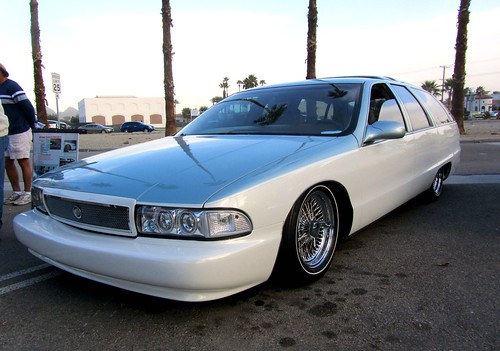 Luxury White Buick Roadmaster 2011
 Impressive Buick Roadmaster 2011 Back View
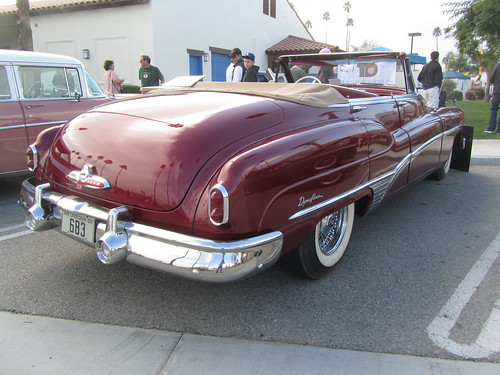 Buick Roadmaster 2011 Show Up
 Buick Roadmaster 2011 Interior
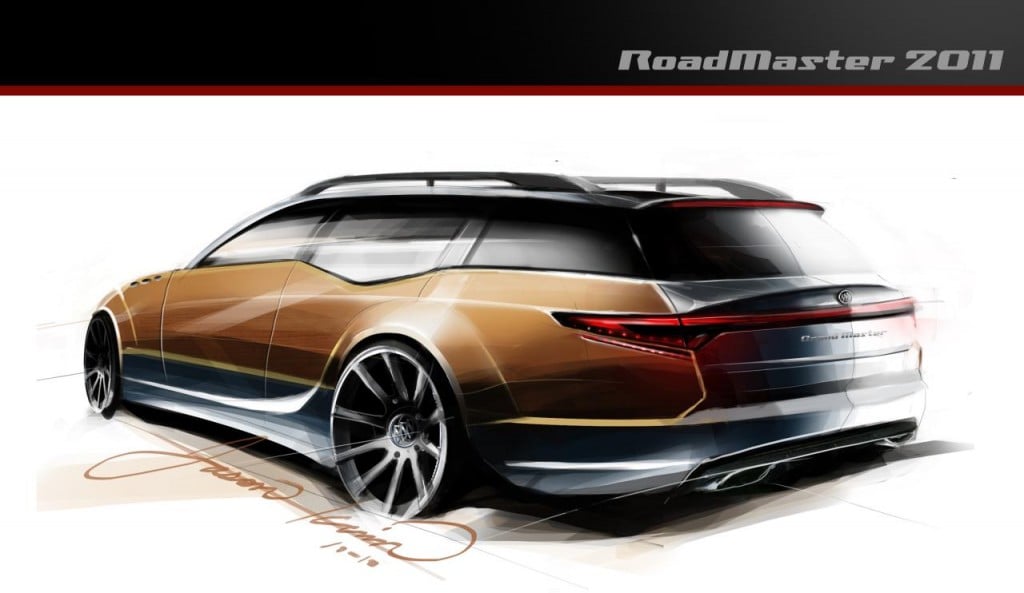 Buick Roadmaster 2011 Side View
 Elegant Buick Roadmaster 2011New Buick Roadmaster 2011 ConceptAwesome Buick Roadmaster 2011 On The RoadLuxury White Buick Roadmaster 2011Impressive Buick Roadmaster 2011 Back ViewBuick Roadmaster 2011 Show UpBuick Roadmaster 2011 InteriorBuick Roadmaster 2011 Side ViewElegant Buick Roadmaster 2011


 Buick Verano On The Road
 Elegant Buick Verano
 Buick Verano Interior
 GM announced the Verano as Buick's new compact sedan in October of 2010, and the car made its official debut at the 2011 North American International Auto Show in January. Production will occur at Orion Assembly in suburban Detroit, Michigan, with sales beginning in the fourth quarter of 2011.
 Buick Verano Rare Seats
 The Verano shares many design cues seen on the LaCrosse, Regal, and Enclave, and will ride on the same Delta II platform as the Chevrolet Cruze. The standard powetrain consists of a 2.4 L Ecotec direct injected I4 with an estimated 177 hp and 170 lb-ft of torque mated to a six-speed automatic transmission. Fuel economy is expected to be 22 MPG city and 31 MPG highway. A turbocharged 2.0 L engine will become available in the future.
Buick Verano On The RoadElegant Buick VeranoBuick Verano InteriorGM announced the Verano as Buick's new compact sedan in October of 2010, and the car made its official debut at the 2011 North American International Auto Show in January. Production will occur at Orion Assembly in suburban Detroit, Michigan, with sales beginning in the fourth quarter of 2011.Buick Verano Rare SeatsThe Verano shares many design cues seen on the LaCrosse, Regal, and Enclave, and will ride on the same Delta II platform as the Chevrolet Cruze. The standard powetrain consists of a 2.4 L Ecotec direct injected I4 with an estimated 177 hp and 170 lb-ft of torque mated to a six-speed automatic transmission. Fuel economy is expected to be 22 MPG city and 31 MPG highway. A turbocharged 2.0 L engine will become available in the future.
The Verano shares many design cues seen on the LaCrosse, Regal, and Enclave, and will ride on the same Delta II platform as the Chevrolet Cruze. The standard powetrain consists of a 2.4 L Ecotec direct injected I4 with an estimated 177 hp and 170 lb-ft of torque mated to a six-speed automatic transmission. Fuel economy is expected to be 22 MPG city and 31 MPG highway. A turbocharged 2.0 L engine will become available in the future.
Buick Verano On The RoadElegant Buick VeranoBuick Verano InteriorGM announced the Verano as Buick's new compact sedan in October of 2010, and the car made its official debut at the 2011 North American International Auto Show in January. Production will occur at Orion Assembly in suburban Detroit, Michigan, with sales beginning in the fourth quarter of 2011.Buick Verano Rare SeatsThe Verano shares many design cues seen on the LaCrosse, Regal, and Enclave, and will ride on the same Delta II platform as the Chevrolet Cruze. The standard powetrain consists of a 2.4 L Ecotec direct injected I4 with an estimated 177 hp and 170 lb-ft of torque mated to a six-speed automatic transmission. Fuel economy is expected to be 22 MPG city and 31 MPG highway. A turbocharged 2.0 L engine will become available in the future.


 |
 |
 |
 |
 |
 |
 |
 |
 |
 |
 |
 |
 |
 |
 |
 |


